My last act of childhood resistance
Selected for the NIUDOC 2026 development lab, organized by Pordenone Docs Fest, Cinemazero and Lago Film Fest
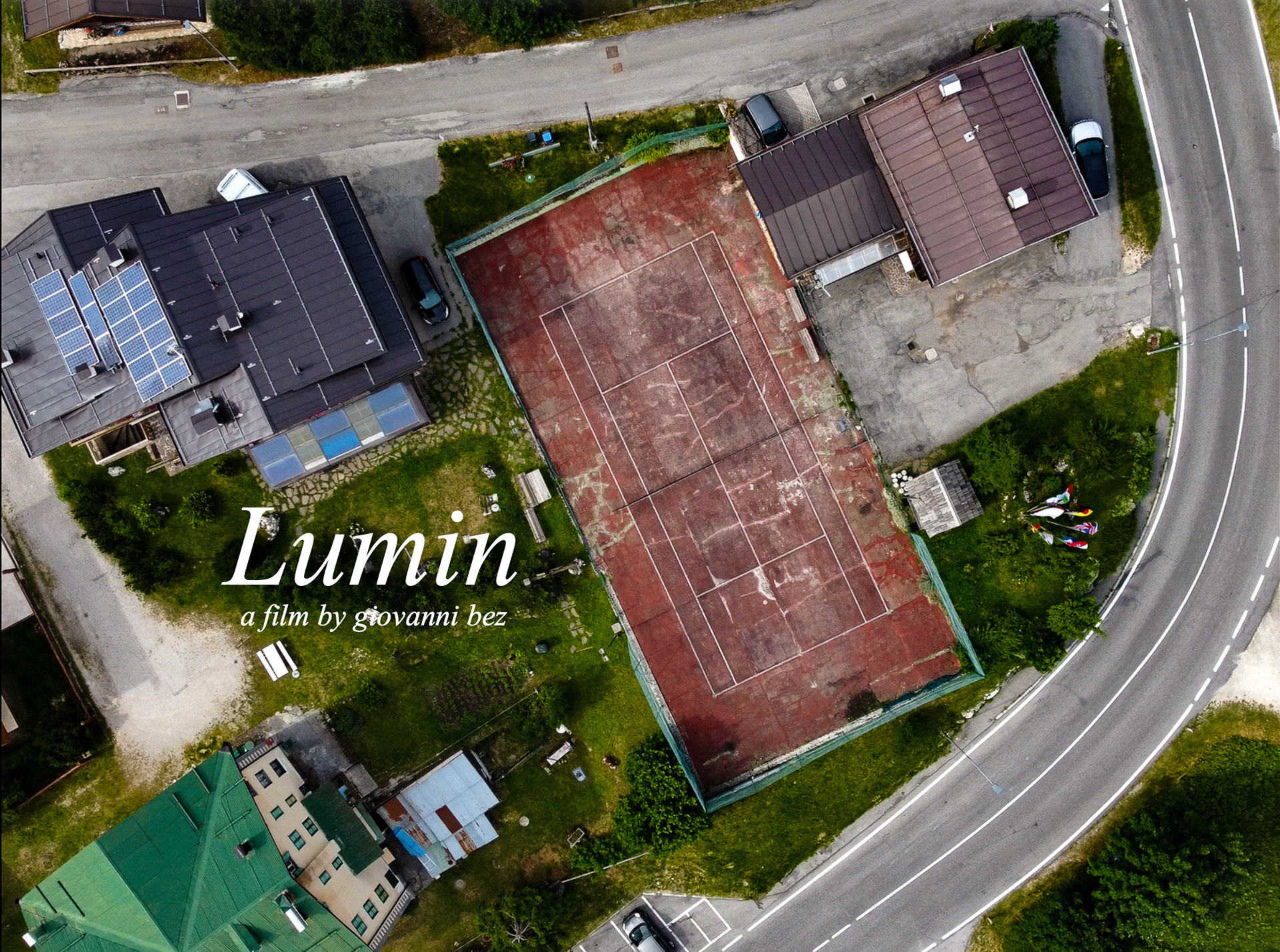
As his family plans to turn his grandfather’s old tennis court into a parking lot, Giovanni returns to his little mountain village for one last crazy act: transforming that concrete into a soundstage where memories, family stories and reality collide in an existential match.
SYNOPSIS:
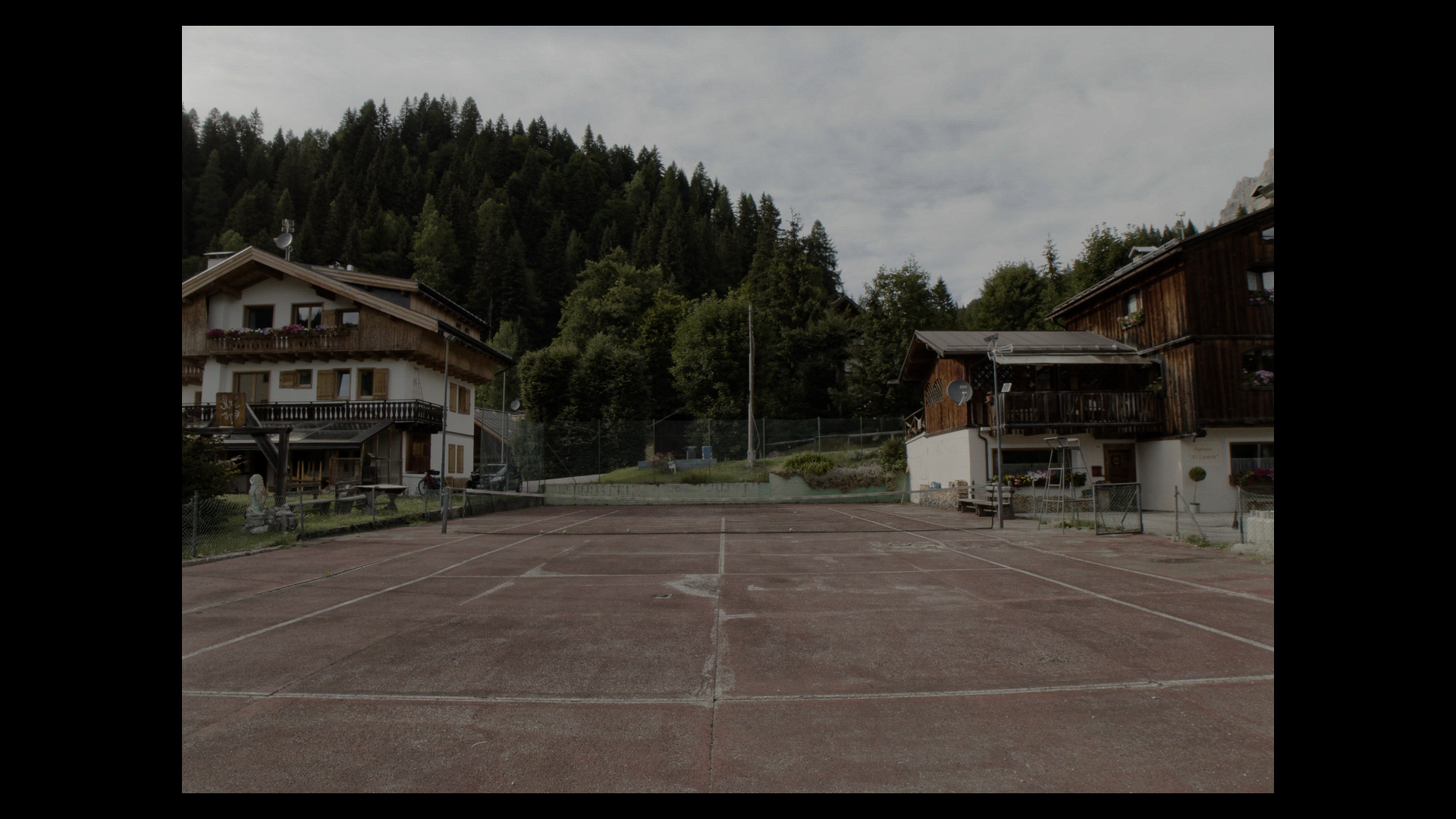
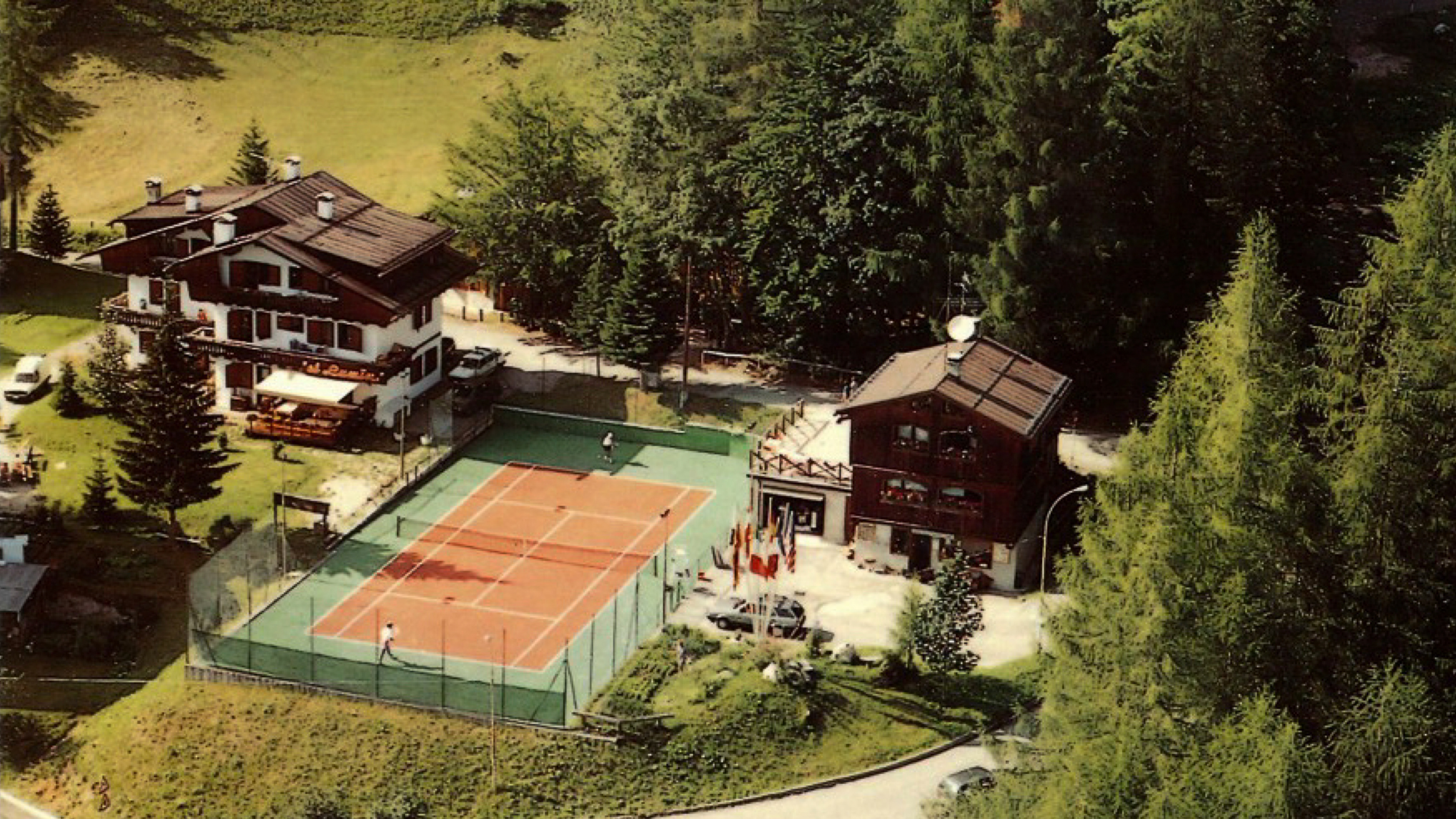
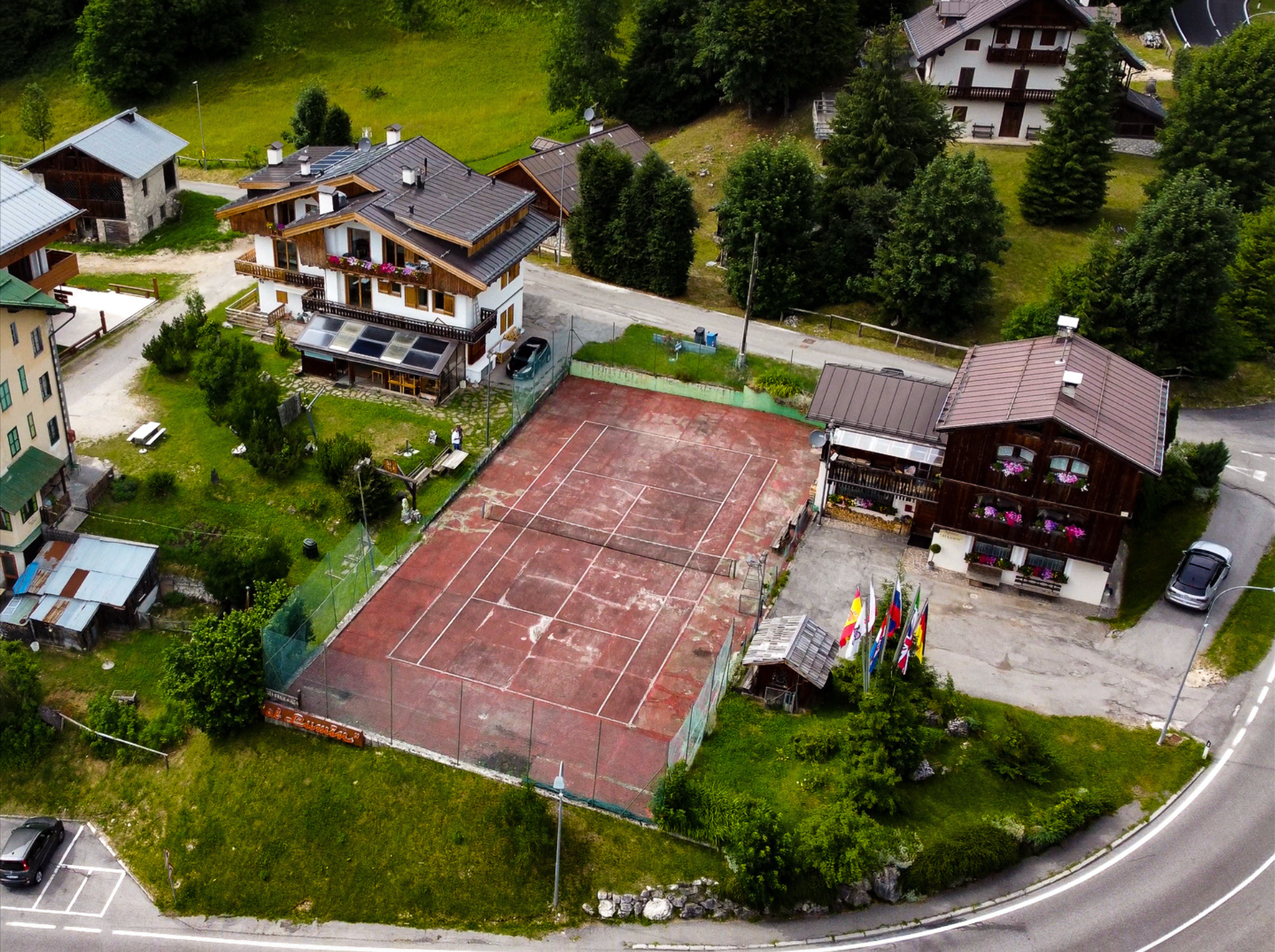
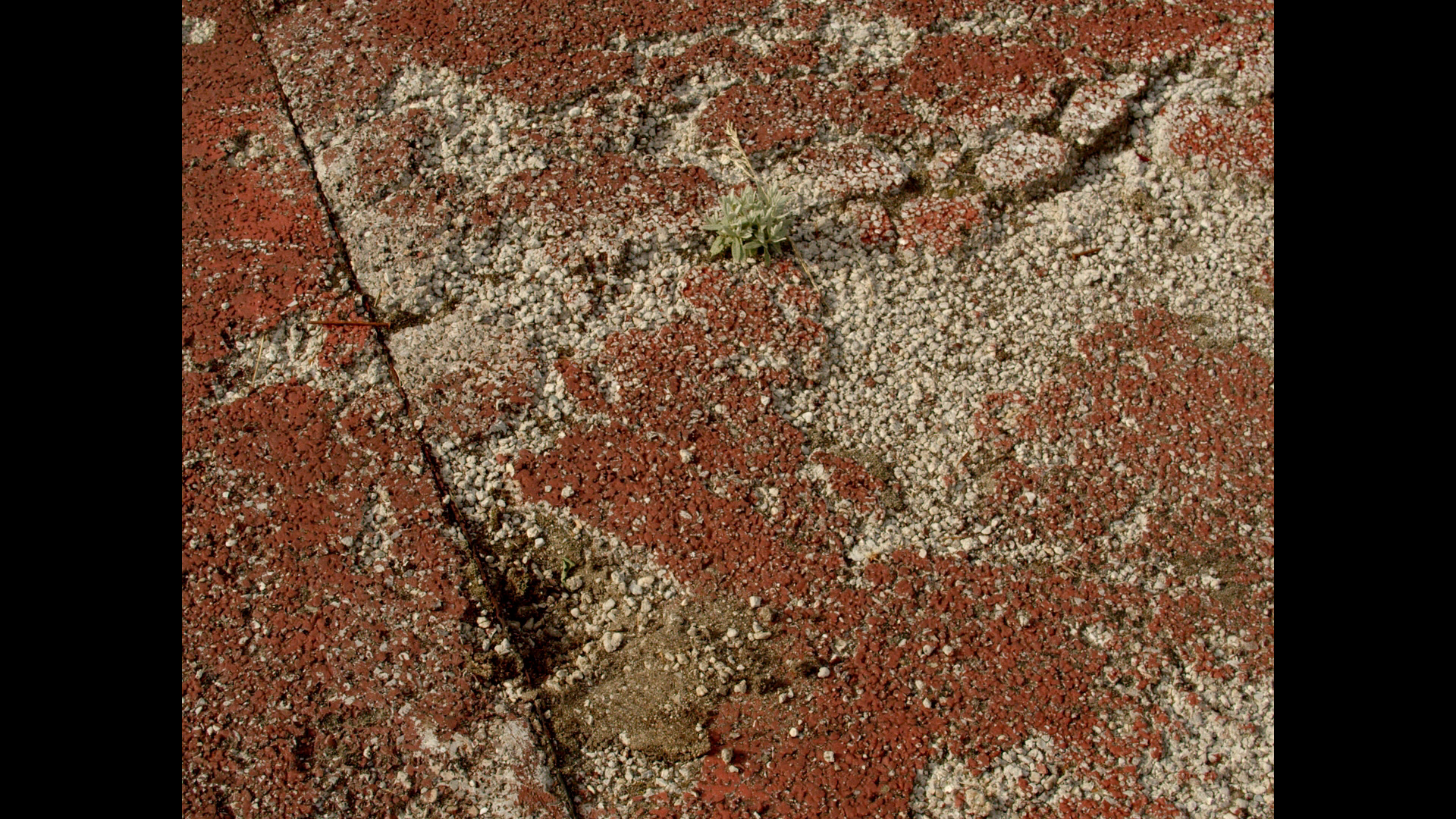
Val di Zoldo, in the Dolomites. On a hill called Lumin (“small light”), stands a family tennis court built in the 1980s by Giovanni’s grandfather, Enzo. Once the center of gatherings and celebrations, it is now abandoned, slowly being reclaimed by cracks and weeds.
After his grandfather’s death, Giovanni avoided returning home. But now, faced with his mother’s plan to turn the court into a parking lot for the family business, he decides to go back and occupy it for one last summer.
If he doesn’t make this film now, the court and its history will disappear under a layer of asphalt.
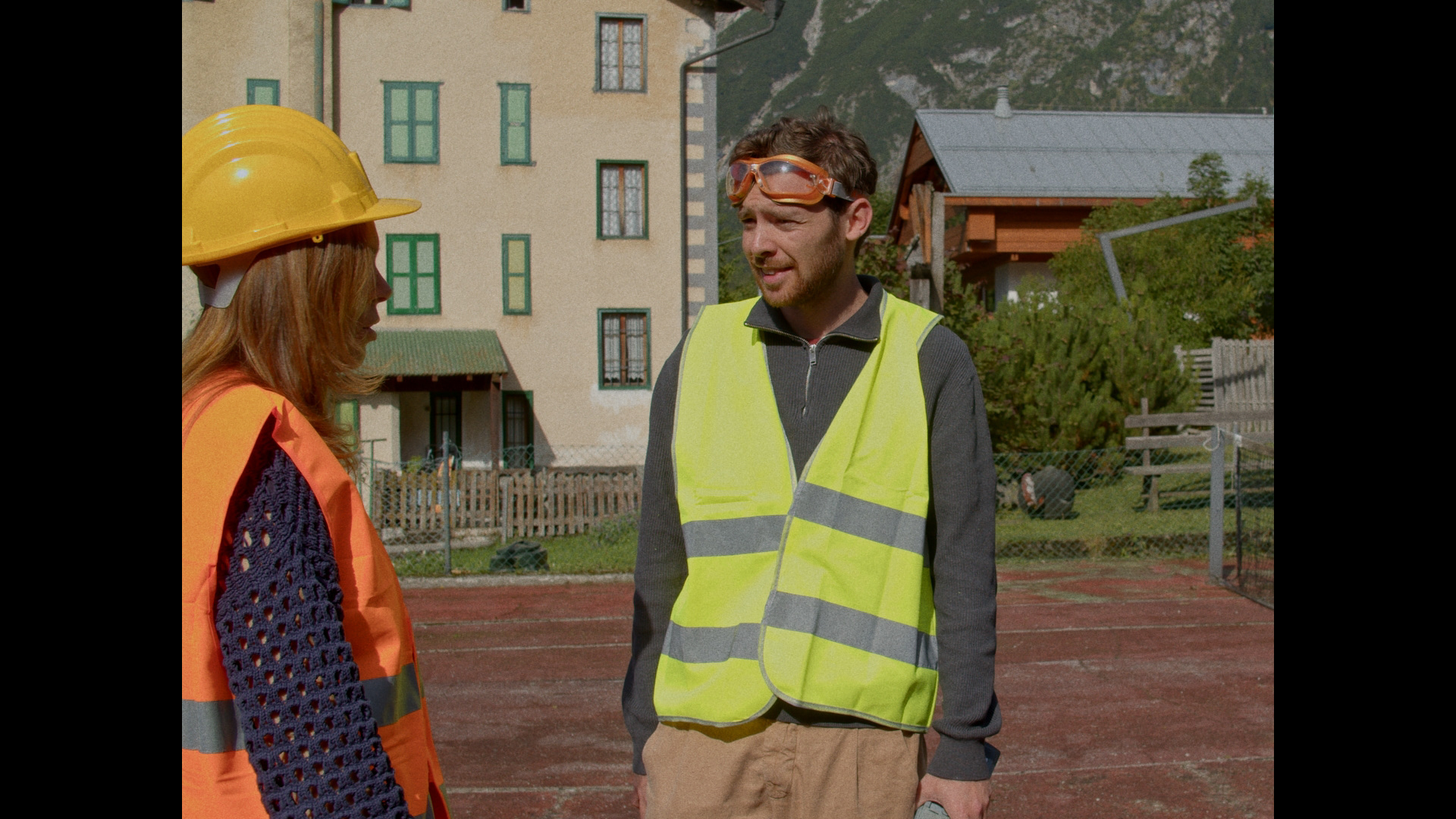
What was once the center of his childhood becomes a cinematic device: a chameleon-like soundstage where reality is staged and challenged. Through projections of family archives at night and absurd performative interventions like wearing high-vis vests with his mother to measure the future parking lot, or reconstructing a legendary family fight with a billiard table under a slow-motion rain of clothes—past and present merge on the surface of the court.
But as Giovanni tries to rebuild these myths, he hits a wall: his grandmother gently laughs and admits she doesn’t remember any of it. Suddenly, the battle is no longer just against the impending bulldozers, but against the silent slipping away of memory itself.
Between construction and erasure, the court becomes a space where memory, family tensions and transformation collide.
DIRECTOR’S NOTES
Lumin is born from a personal obsession and a deep sense of guilt. For years, from my room in Berlin or Bolzano, I watched my home village through a low-angle municipal webcam, unable to see my family's hill but staring at its edges, terrified of what I was losing.
The name Lumin comes from a phrase my grandmother said in the 1970s, while looking at the hill at dusk: “We would need a small light here to see anything.” That light became the name of the place—and, over time, its identity.
At the center of this hill stands a tennis court built by my grandfather Enzo. It is not just a location, but a character: a surface that contains the traces of everything that has happened there. An archaeological site with an almost inevitable fate—to be transformed.
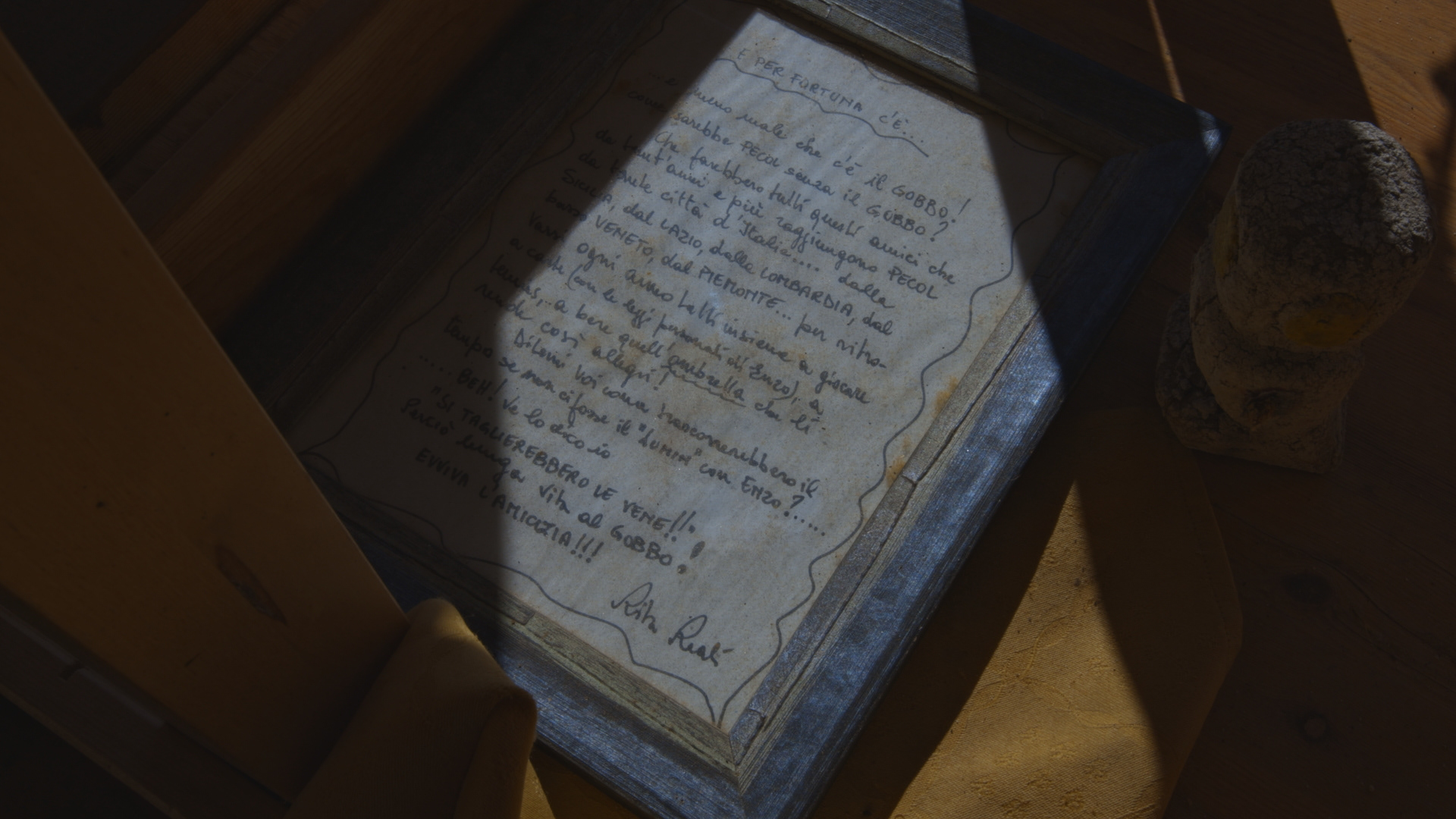
My grandfather was an artist, but his true work was creating spaces of gathering. He built a world driven by what I call “the effort of joy”: the continuous work of creating moments of connection between people. But for that world to exist, the next generation had to become practical. In these thirty years, my mum ran the real estate agency. My aunt ran the restaurant. Now that he is gone, everything is still there—but something essential is missing.
With this film, I don’t want to simply observe this transformation. I want to engage with it.
By occupying the court and turning it into a film set, I use cinema as an active tool to confront my family and our shared past. The archive becomes a living material, projected back onto the space where it was created. Reality is not just observed—it is re-enacted, distorted, and questioned.
The tennis court becomes a space for play, but also for conflict, memory, and confession.
Ultimately, the film reflects a deeper, universal question: what happens to the spaces we leave behind? When figures like my grandfather die and no one takes their place, places don't just die—they lose their function. This court used to be a social square; today, it has no role. It mirrors my own existential doubt: what is my role in this family if I am never here? If we lose our purpose, we disappear.
This film is my final act of childhood resistance, but it is also an attempt to understand what must be preserved, and what must be let go.
VISUAL APPROACH
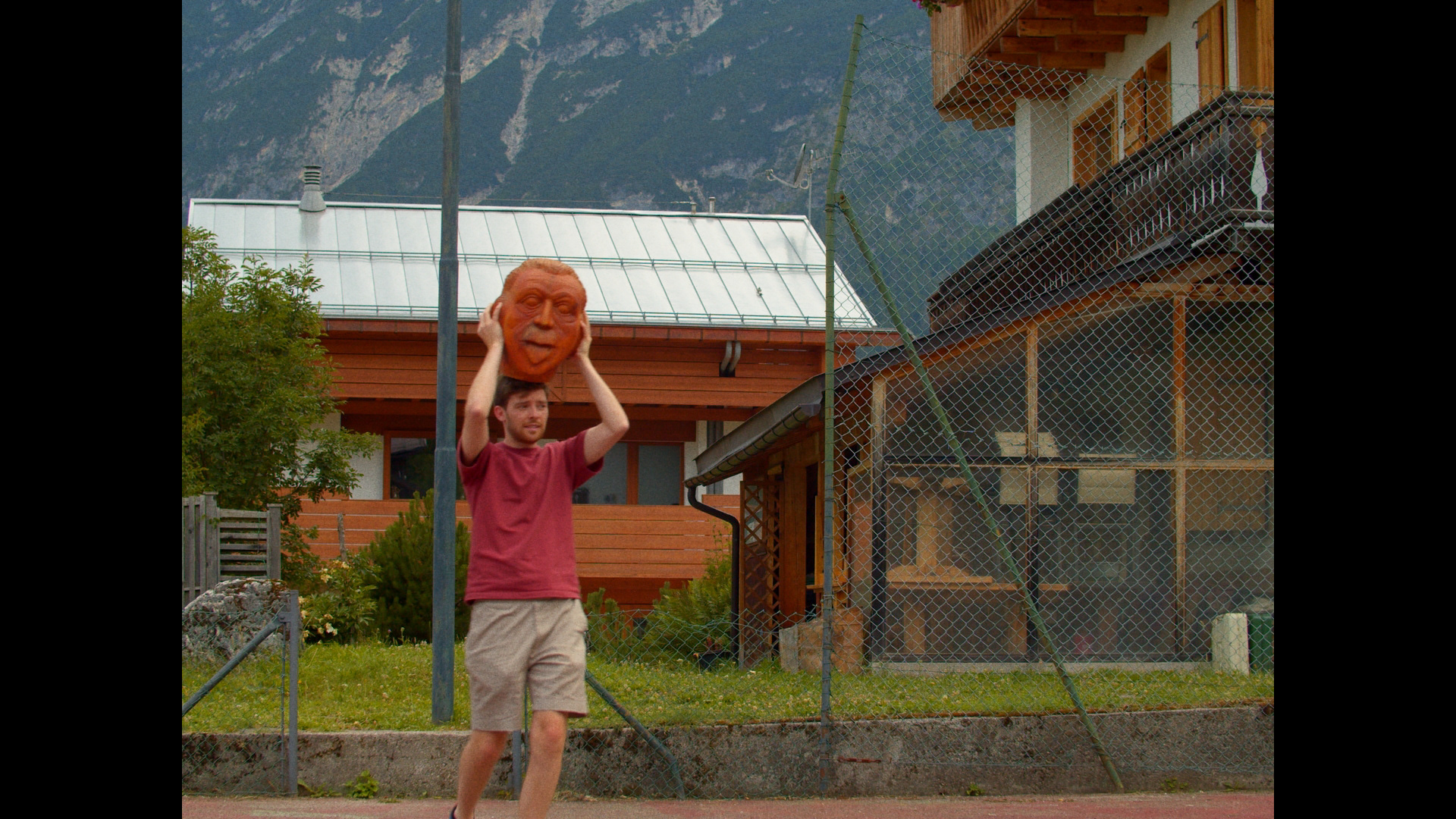
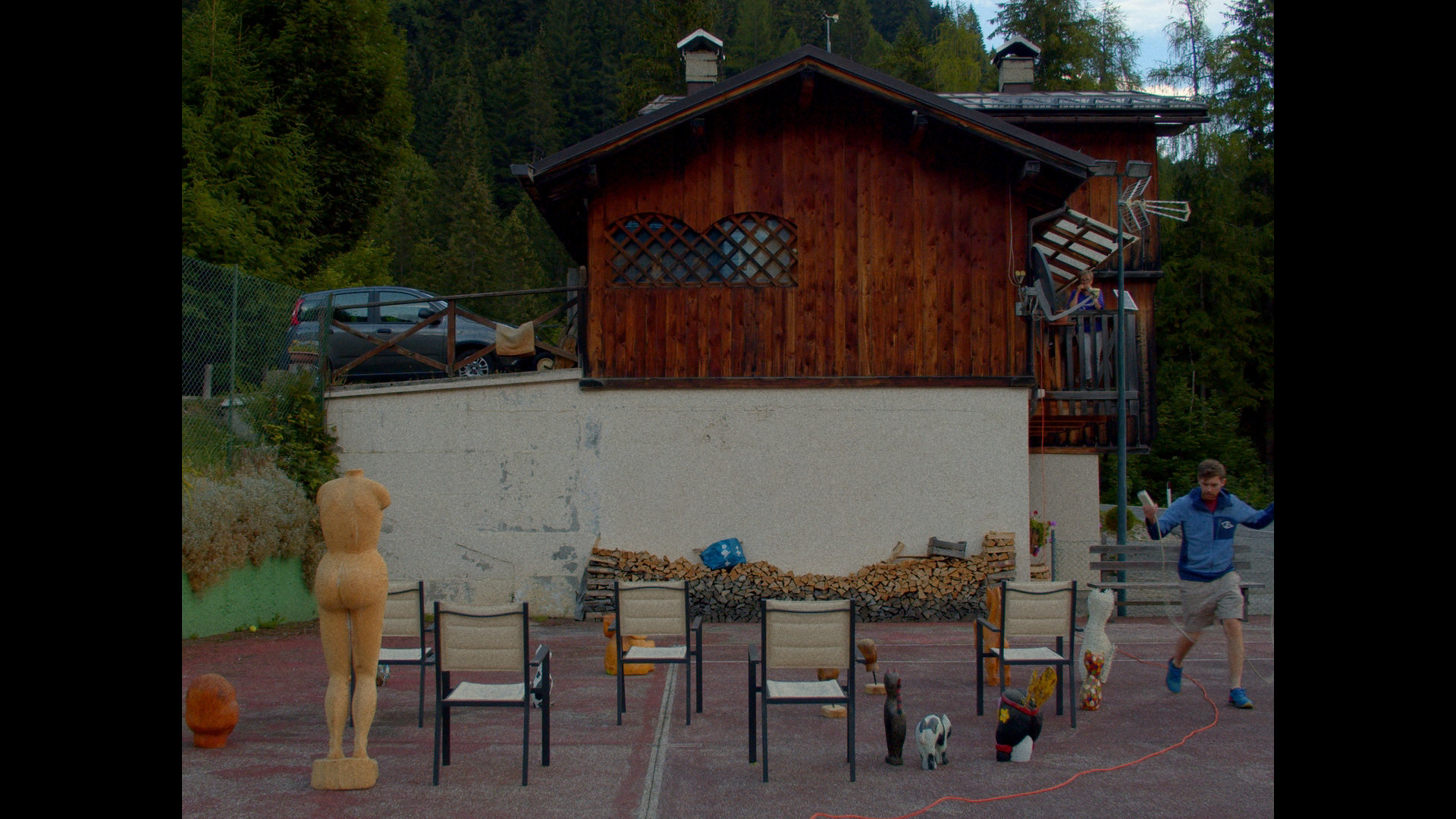
The film is built around the transformation of a single space: the tennis court as a performative soundstage.
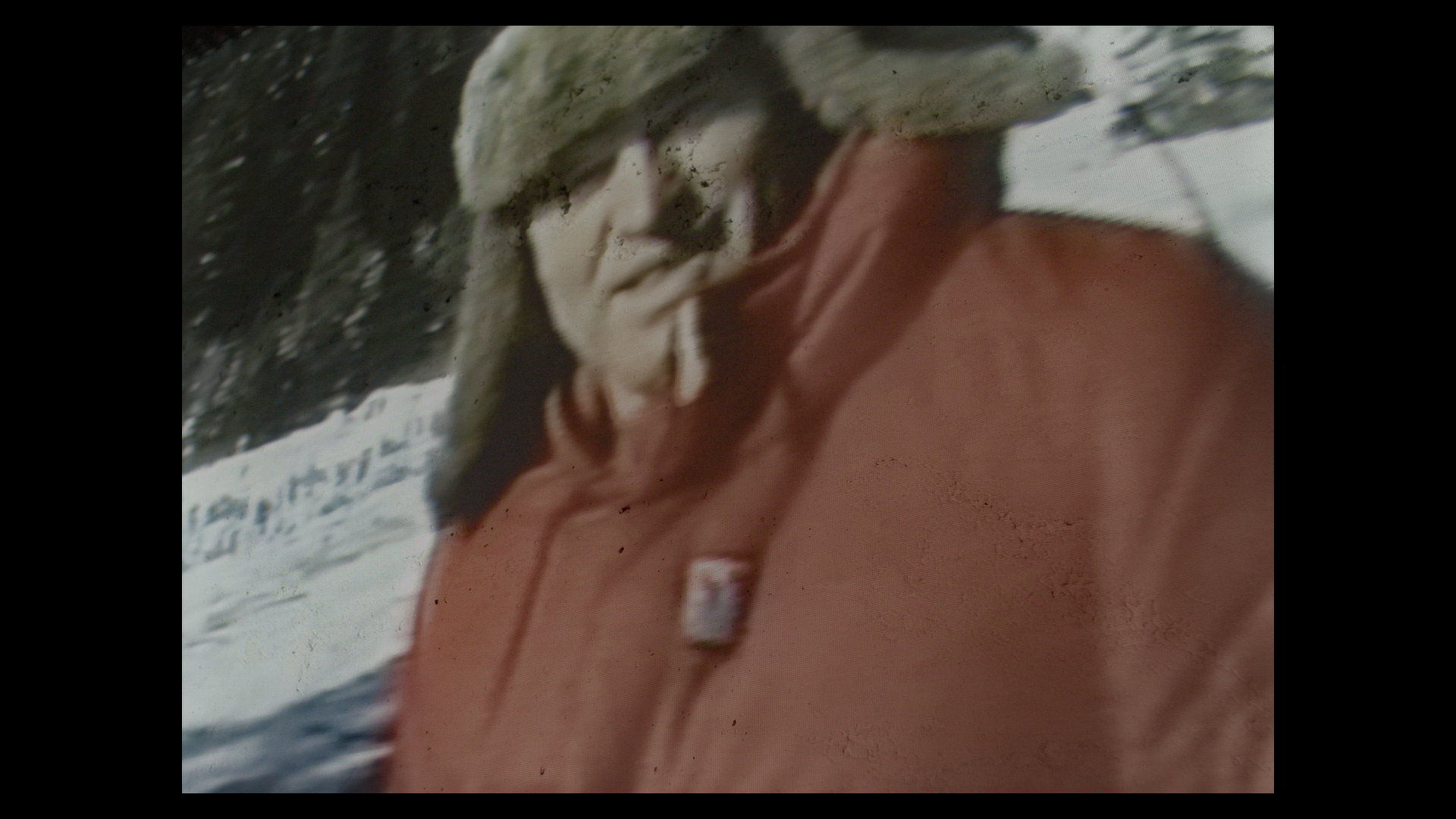
At night, family archive footage is projected onto the court, creating a floating portal where past and present coexist.
During the day, reality is staged through performative “states of play”:
Giovanni and his mother measure the future parking lot, mapping the future while their conversation maps the past.
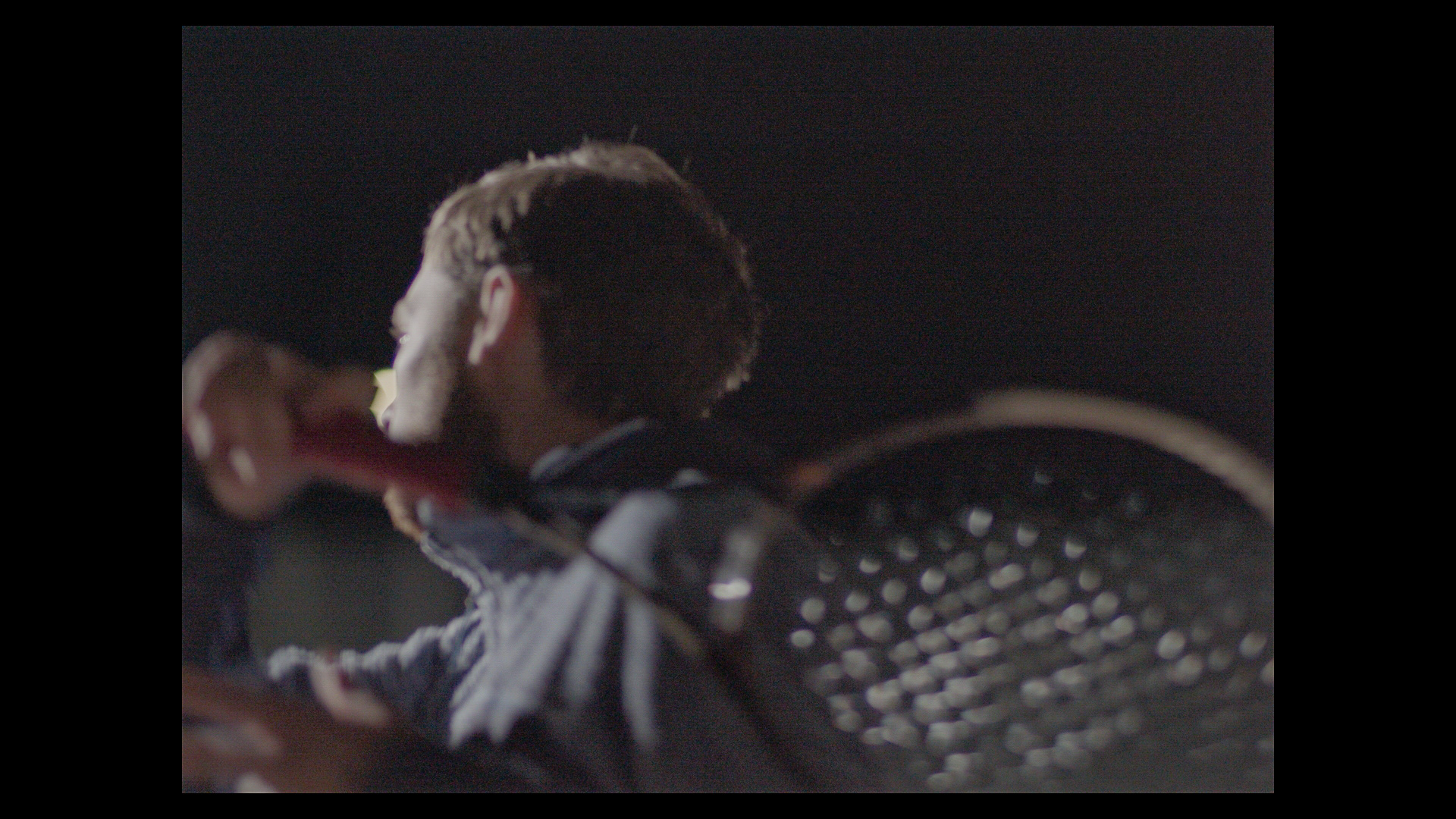
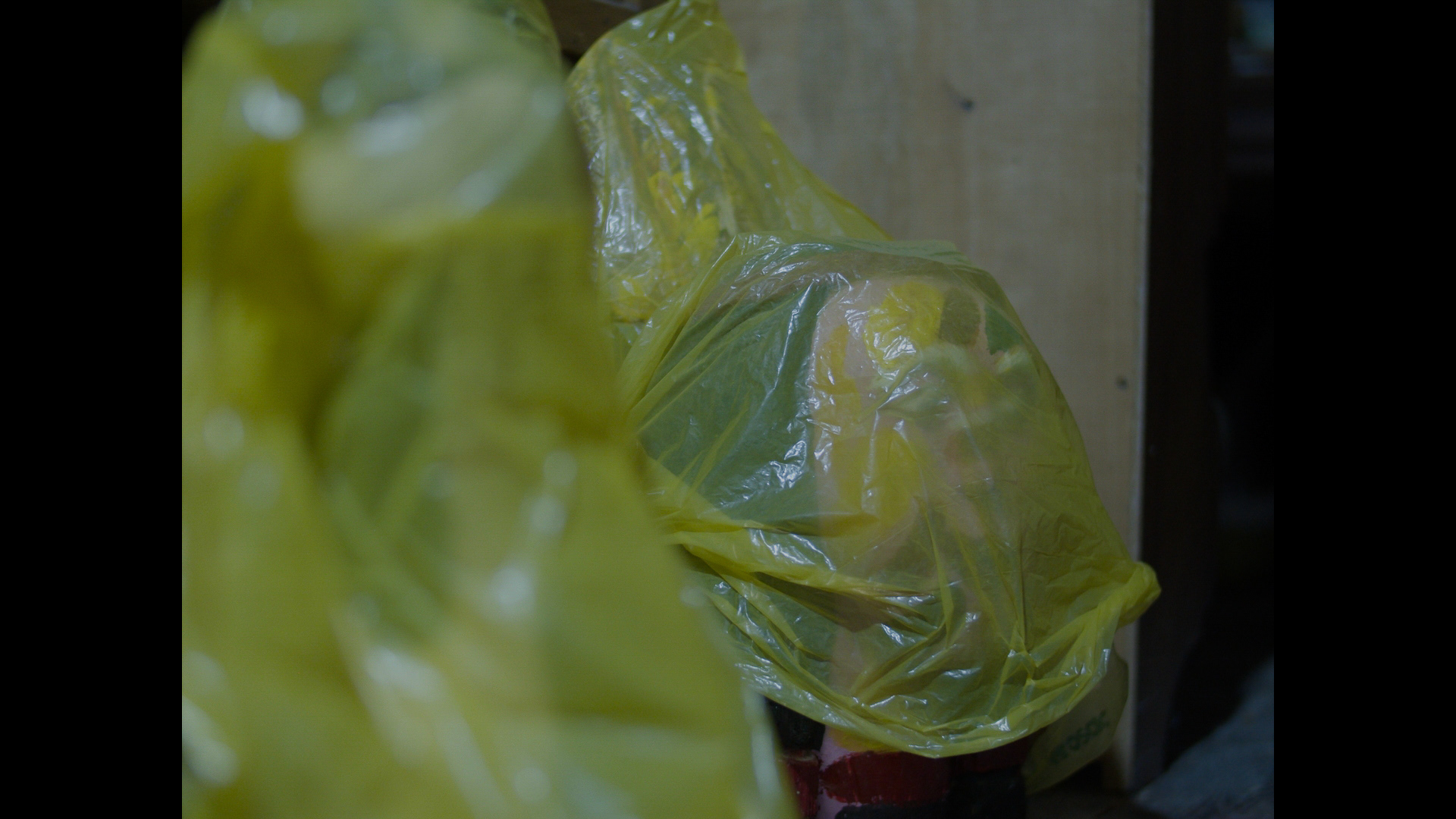
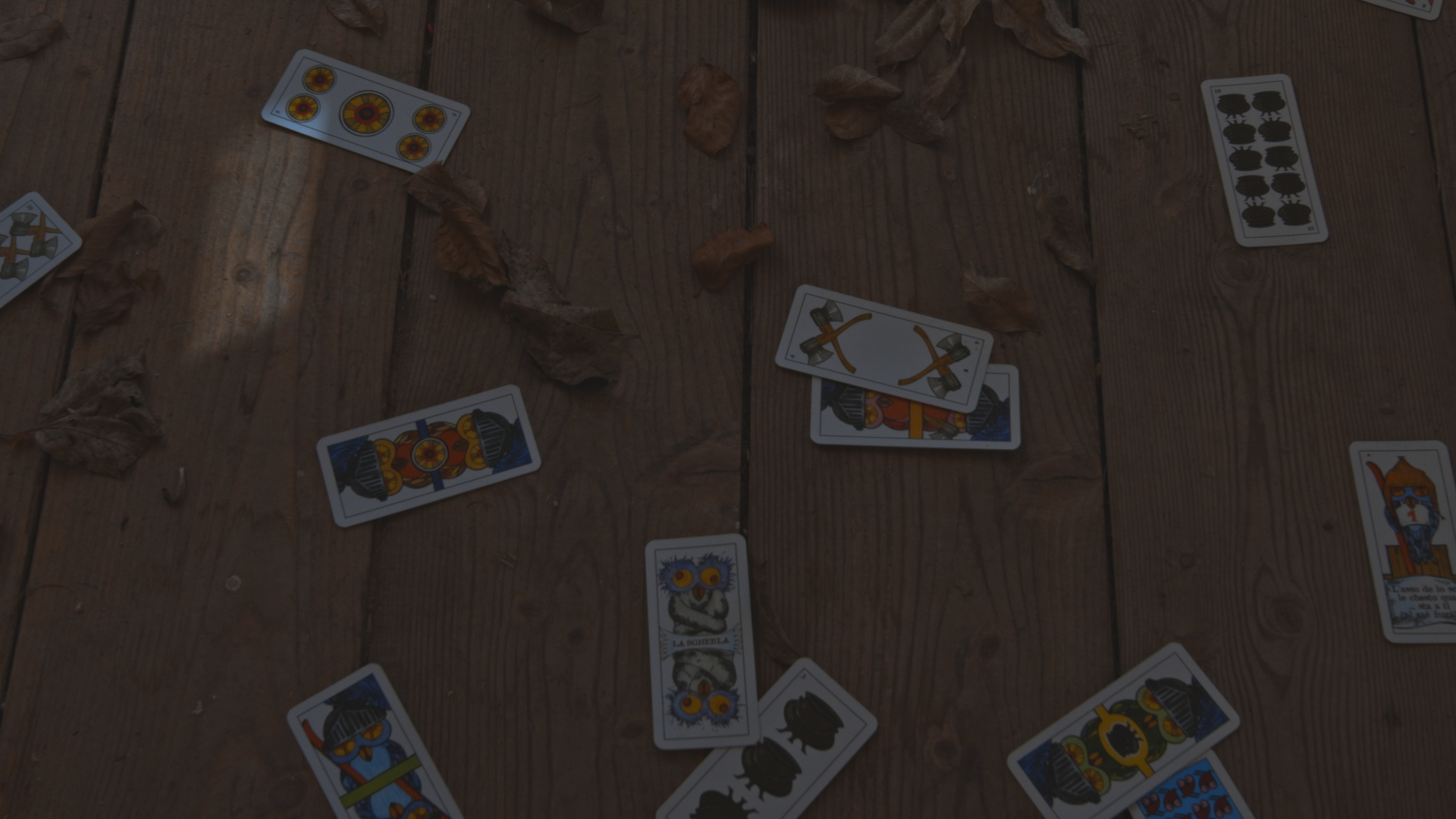
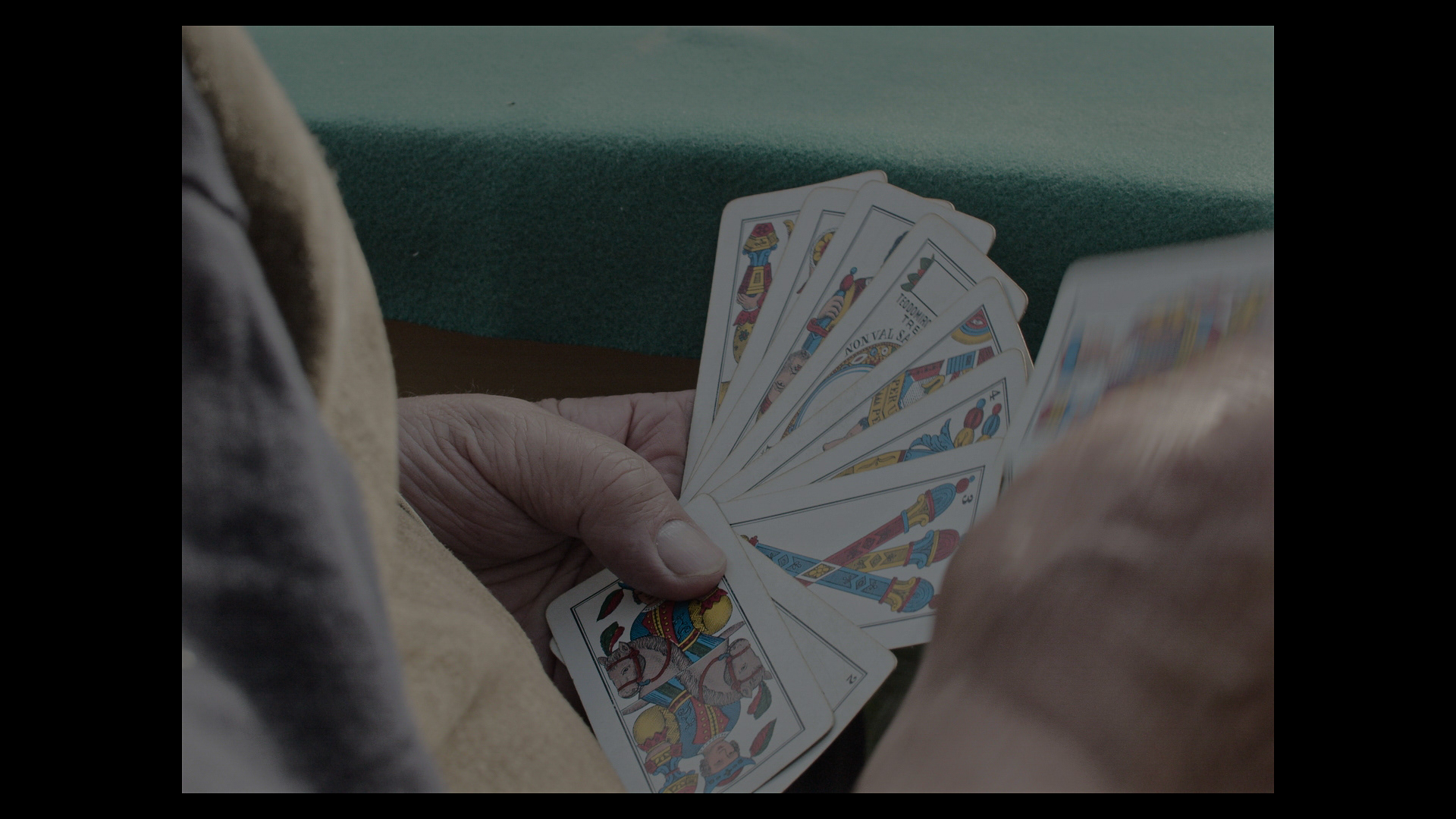
A billiard table appears in the middle of the court, where old men play under cinematic lights, while objects rain down from the house—recreating a real family conflict.
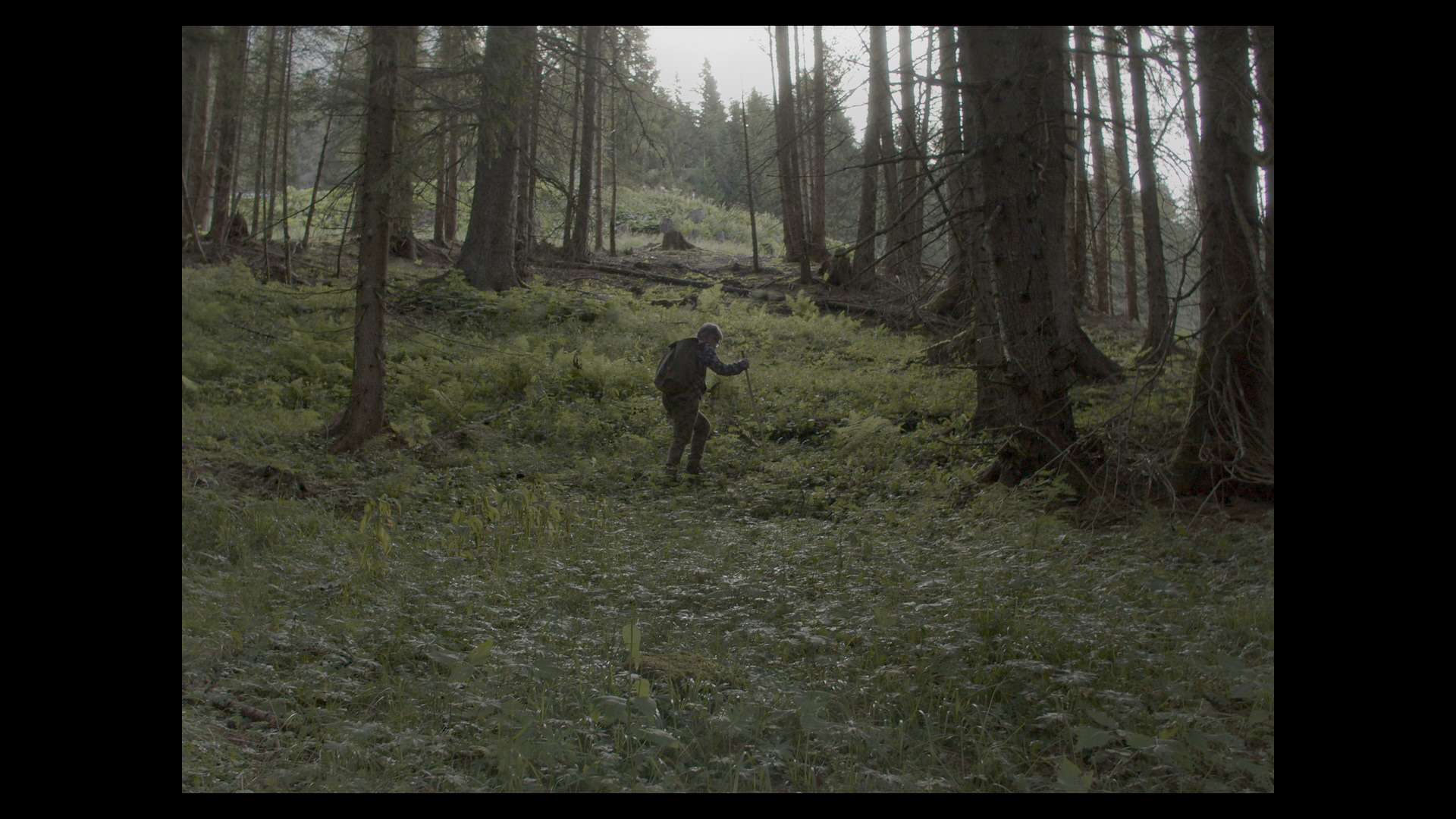
The off-screen space—the houses, balconies, and surrounding hill—remains essential, allowing spontaneous documentary moments to coexist with staged situations.
The film moves between control and unpredictability, performance and observation, creating a layered, hybrid cinematic language.
STATUS & MATERIAL
Lumin is a deeply urgent project that is already actively in developing.
Current Stage: Advanced Development.
Material Available: A completed 3 minute teaser showing the visual approach, the family dynamics, and the performative device on the tennis court.
Footage: Ten hours of research footage and initial scenes have already been shot independently by the director and cinematographer Filippo Maria Pontiggia.
Goal: We are looking for producers, co-producers, and world sales agents to secure the financial backing, co-production partners, and the professional crew required to complete principal photography and post-production, elevating this highly personal archive into an ambitious, cinematic feature-length documentary.